
Fire Board
To learn more about boarding please read below:
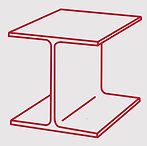
Fire boards are specially manufactured, non-combustible panels designed to protect buildings and structural elements from fire. Used in walls, ceilings, and around steelwork, they provide vital passive fire protection by slowing heat transfer and helping structures maintain integrity during a fire.
.jpeg)
Benefits of Fire Boarding
-
Reliable Performance – Fire boards create a strong, non-combustible layer that has been rigorously tested to withstand extreme heat for defined periods, helping to protect the building structure and meet required fire resistance ratings.
-
Long-Lasting Protection – Designed to resist everyday knocks, abrasion, and environmental wear, fire boards retain their protective qualities for many years, ensuring consistent fire safety without degradation in performance.
-
Versatile Applications – Suitable for use in walls, partitions, ceilings, structural encasement, ductwork, and service enclosures, making them a flexible solution for both new builds and refurbishment projects.
-
Quick Installation – Fire boards can be fitted in a variety of site conditions without the need for specialist curing or drying times, helping projects stay on schedule and reducing delays.
-
Low Maintenance – Once installed, fire boards require minimal upkeep, allowing building owners and managers to maintain compliance without ongoing costs or complex maintenance plans.
-
Professional Finish – Fire boards can be taped, jointed, skimmed, or painted to blend seamlessly with the surrounding surfaces, delivering both safety and a high-quality appearance in the finished space.


.jpeg)
Our Shotblasting Process
We follow a detailed, controlled process to deliver consistent and high-quality results:
-
Site Assessment & Inspection – We begin with a detailed assessment of the steel structure and discuss project requirements, including fire protection standards and surface condition.
-
Surface Analysis – We evaluate the existing condition of the steel, identifying rust grades, previous coatings, and contaminants.
-
Blasting Grade Selection – Depending on the spec, we blast to a cleanliness level like SA 2.5 or SA 3, creating the ideal surface for intumescent paint.
-
Abrasive Blasting – Using industry-grade equipment, abrasive materials are propelled to clean and texture the surface thoroughly.
-
Dust & Debris Removal – Following blasting, surfaces are vacuumed or blown down to remove remaining particles. We also take steps to manage dust and minimise environmental impact, using dust extraction systems and containment where needed. Responsible disposal of waste materials and adherence to environmental guidelines is part of our commitment to sustainable practices on every job.
-
Quality Check & Surface Profile Measurement – We inspect the finish using gauges and visual standards to ensure compliance.
-
Optional Priming or Coating – Once blasting is complete, we can apply primers or base coats to prevent flash rusting before intumescent application. This step helps seal the freshly prepared surface, giving added protection if there's a delay before coating.